
I considered whether to shorten the review, edit it or cancel it altogether and replace it with a short review of the novel.
However, this review sensitively captures the essence of the book and refers to other interesting novels in the genre, which could disappear if shortened. And because I have space for it, you can now enjoy it in its entirety. And we are very pleased about that.
Why doesn’t anyone come up with something really original?
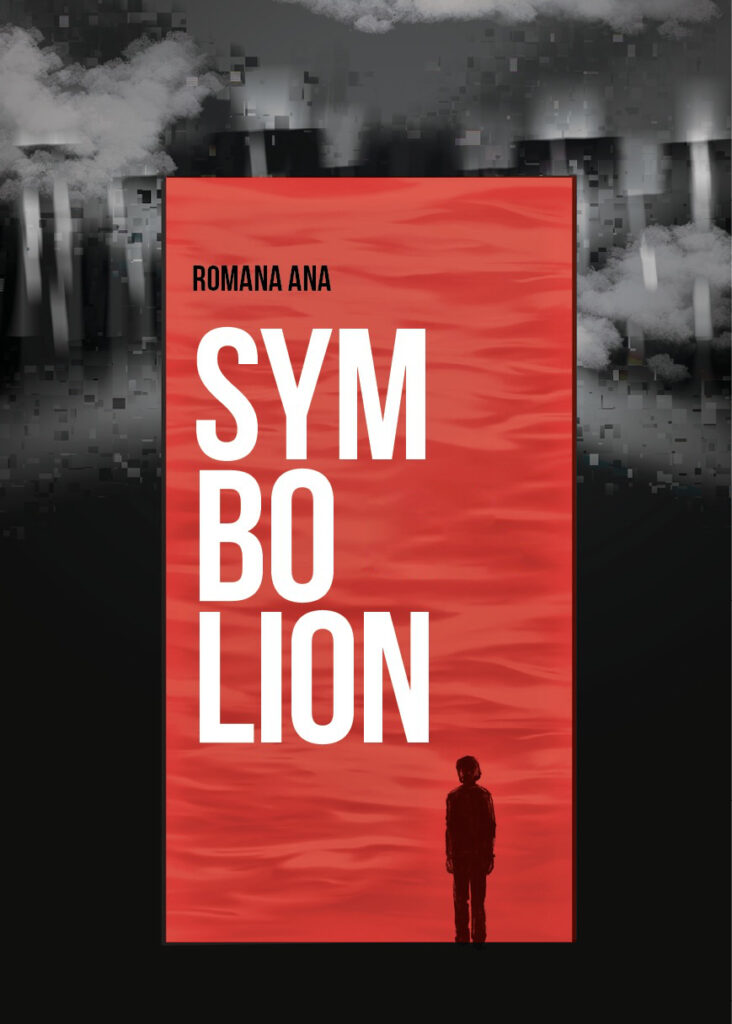
And then I got my hands on the book „Symbolion“, which I read in one breath.
It is a remarkable sci-fi novel written in a novel way,
in which Romana Ana captured the atmosphere of the twilight of humanity.
I asked myself these and other questions while reading Symbolion.
And at the same time, I was finding the answers in the pages of the book:
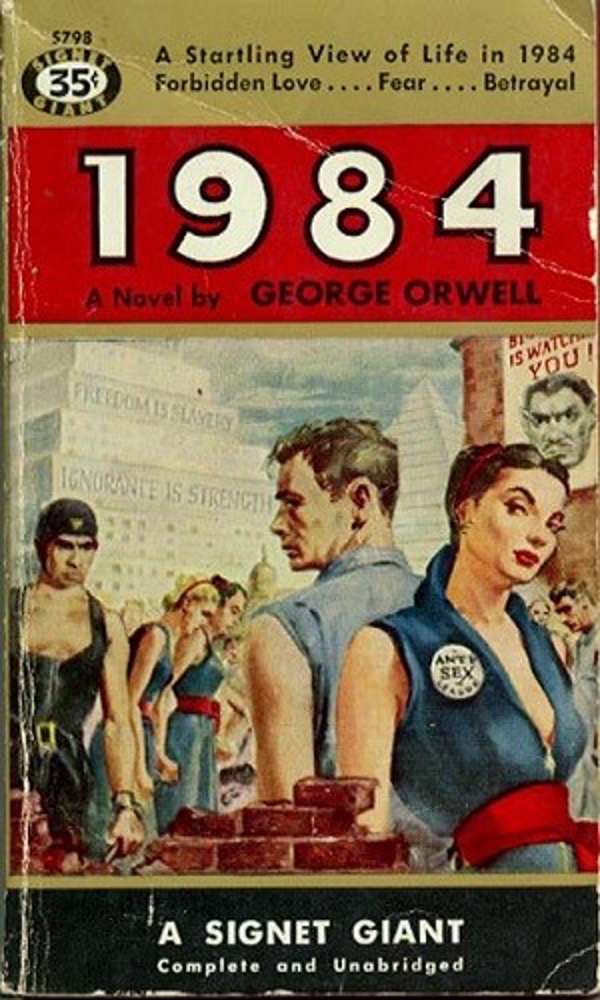
However, despite the repressive apparatus striving to maintain order, people still have freedom, they are not enslaved as, for example, in Orwell’s “1984”; their brains are not washed by propaganda. Regardless of the hopelessness of the situation, they want to live normally, have fun, love, celebrate Christmas.
And some, if they get hold of several illicitly transmitted game cards of the banned game of Symbolion, enter the virtual world and proceed through individual game levels where various surprises await them.
Because this game is entirely different from what they had expected. And what they take away from it, can change everything.
Because the novel, bearing the name of the illegal virtual game, also represents a kind of game for readers.
Together with the main characters, the reader sets out on an adventure during which secrets
hidden in parables are gradually disclosed.
At times, the reader may think he knows where the story is leading,
but sooner or later Symbolion forces these expectations to be revised.
It is necessary to proceed carefully because things might
not be what they appear to be.
The pages contain passages that reward the attentive reader with frequent “aha!” moments. I will not disclose in advance these clues, ingeniously encoded in the text, in order not to provide spoilers for new readers, thus preventing the pleasure of the independent gradual revelation of the history, geography, intentions, relations and characteristics.
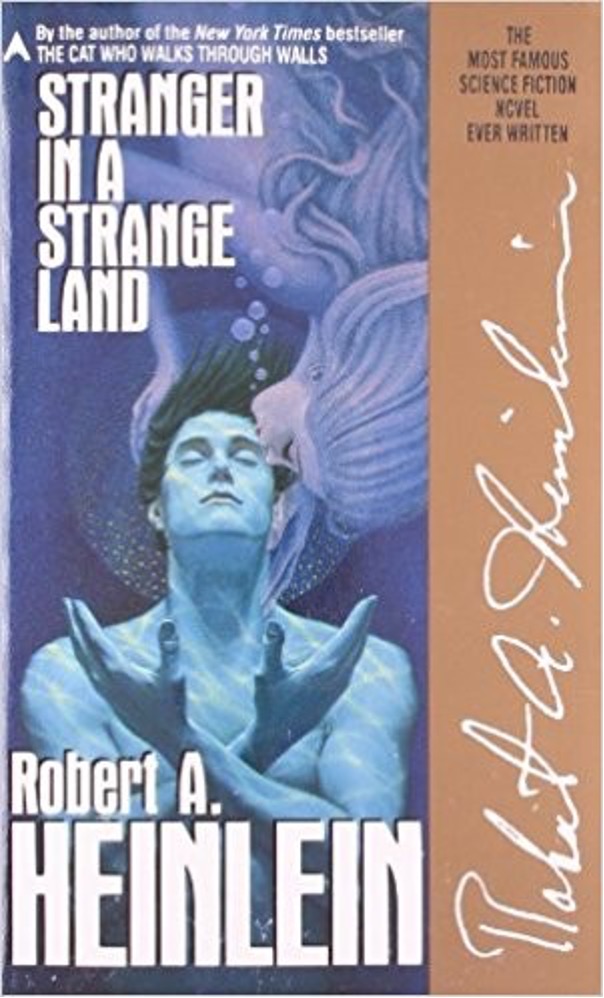
In “Stranger in a Strange Land” people enjoy communal bathing in a swimming pool. Only one subsidiary sentence, actually just a few words somewhere in the middle of the book, subsequently in the minds of readers clarifies this image of self-confident people, happily having fun in the water, making it clear that they definitely are not wearing swimsuits. So what, you ask? But at the time of the publication of this novel (1961), such an idea was immensely scandalous – the era of the “flower children” and free love only began several years later.
Similarly, in her work Romana Ana gradually introduces revelations
(sometimes between the lines),
thanks to which the reader retrospectively understands and appreciates the previous events,
thus entertaining and maintaining curiosity.
The authoress has a gift of mediating the views of individual characters, of disclosing the ulterior motives of their behavior, without wasting words. She goes under the surface, whereby the reader is able to easily identify with the main characters, to fear for them, dream about them – and again relive their story in dreams.
Whenever I am walking in a gray, misty street, I recall the city without stars.
When I am sitting with friends in a cozy pub, I recall a similar enterprise where Kala, Zachary, Tobias
and the other likeable “conspirators” liked to meet.
As I put on a VR helmet, which seemingly transfers my mind into a computer-generated artificial environment
(nothing beats striking virtual dwarfs jumping out of virtual holes all around with a virtual big hammer :D),
I wonder, how incomparably more advanced the game of Symbolion would be.
Plum cake with almonds and streusels, which Brett enjoys in his aunt’s home as he drinks his coffee,
has had an unrivaled charm for me ever since.
And as soon as I think of a certain pulsating metropolis, so diverse and noisy today –
I recall the ruins into which it will change. So well is it written.
The technological basis, societal functioning, political and economic systems are rather merely touched on.
However, given the dreamy nature of the novel, it is probably not even desirable to discuss specific physical conditions.
Romana Ana paints dreamlike paintings from Symbolion
directly into the souls of readers.
A lively story unfolds before the very eyes:
They clearly see the ice floes as well as blazing flames, they hear the sounds of the marketplace,
their mouths water for various delicacies,
they feel the musty underground tunnels, their flesh creeps when looking into the universe’s infinity,
and they fear for the destinies of the heroic “conspirators”,
whose efforts can be thwarted at any moment by the Secret Police, or by a strong electromagnetic discharge
which penetrates through the protective shield of the dome.
Thanks to the spellbinding style of Symbolion, the reader becomes so immersed in the events,
that the adventure, experienced together with the characters, leaves certain indelible traces,
and to some extent also influences his/her own worldview.
In contrast to the masterfully described image of a dismal future, I newly appreciate – that we are not living in it. Because the horrible catastrophe hinted at in Symbolion, has not yet taken place. In our timeline, the planet Earth is spectacular and abounding with life.
We can watch the stars at night, and rejoice in the warmth of sun in the daytime.
The world is in balance so far. Every new morning is a miracle, an opportunity to show gratitude and contribute to making the world an even better place to live.
Viktor Horák, 2020